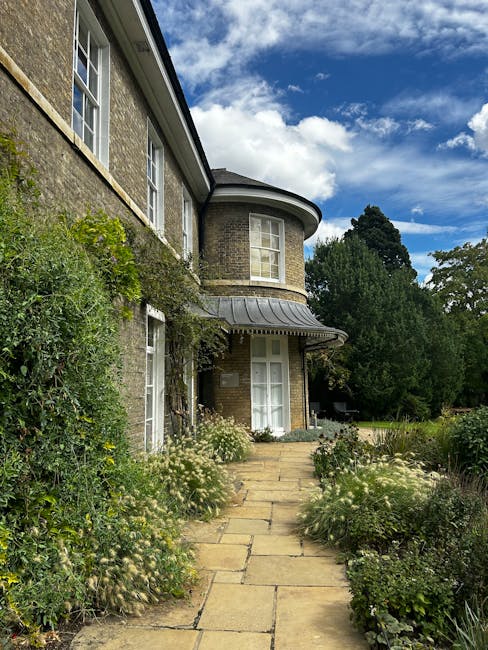
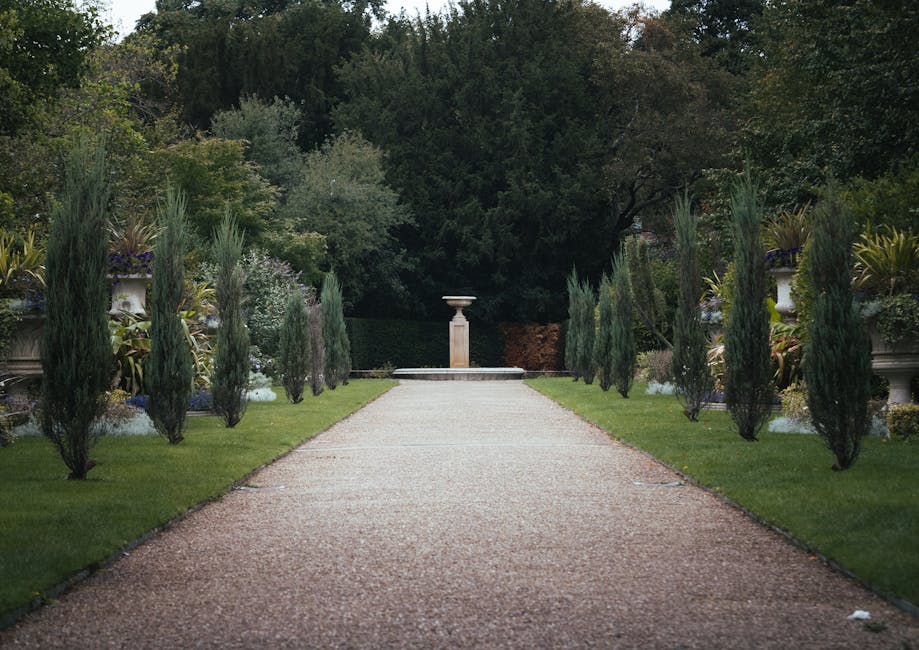
Best gardeners near Gunnersbury Park for small London gardens
If you live near Gunnersbury Park, you probably know the rhythm of a small London garden: a narrow side return, a compact patio, a few stubborn pots, maybe one border that gets far too much shade. It can feel like just enough space to be annoying, and not quite enough to be easy. That is exactly where the best gardeners near Gunnersbury Park for small London gardens make a real difference. The right gardener will not just "tidy up" your outdoor space. They will help you use every square metre properly, keep maintenance realistic, and make the garden feel calm instead of cramped.
This guide breaks down how to choose the right local gardener, what good small-garden work looks like, what to avoid, and how to get better long-term results without wasting money. If you want a deeper look at the kind of support available, you can also review the services overview and the company's approach on the about us page. That said, let's get into the practical stuff.
Table of Contents
- Why Best gardeners near Gunnersbury Park for small London gardens Matters
- How Best gardeners near Gunnersbury Park for small London gardens Works
- Key Benefits and Practical Advantages
- Who This Is For and When It Makes Sense
- Step-by-Step Guidance
- Expert Tips for Better Results
- Common Mistakes to Avoid
- Tools, Resources and Recommendations
- Law, Compliance, Standards, or Best Practice
- Options, Methods, or Comparison Table
- Case Study or Real-World Example
- Practical Checklist
- Conclusion
- Frequently Asked Questions
Why Best gardeners near Gunnersbury Park for small London gardens Matters
Small London gardens are a specialist job, full stop. They are not just "big gardens with less lawn." Space is tighter, storage is limited, access can be awkward, and the wrong choice of plants or layout can make the whole area feel cluttered very quickly. Near Gunnersbury Park, gardens often have a mix of brick boundaries, shaded corners, mature trees nearby, and neighbours close enough that every decision about height, screening, and noise matters.
That is why local knowledge matters. A gardener who understands small urban plots will notice things others miss: how sunlight moves across a courtyard, which plants will cope with reflected heat from a wall, and how to keep paths and planting simple enough to maintain in the real world. Truth be told, the best small-garden work often looks almost effortless from the outside. Behind that calm look, there is usually very careful planning.
It also matters for value. A compact garden that feels usable can make a home feel larger and more balanced. A compact garden that is overplanted, patchy, or difficult to maintain can do the opposite. When you choose the right gardener, you are not buying a one-off tidy-up. You are buying better use of space, less stress, and a garden that is easier to live with week after week.
Expert summary: For small London gardens, the best gardeners are the ones who can combine design sense, tidy workmanship, and practical maintenance. Fancy ideas are fine, but only if they still work in a real terrace garden on a rainy Tuesday.
How Best gardeners near Gunnersbury Park for small London gardens Works
The process usually starts with a walk-through. A good gardener will look at access, soil condition, light levels, drainage, boundaries, existing plants, and how you actually use the space. Do you want low-maintenance planting? A place for children? Somewhere to sit with a cup of tea without looking straight at a fence? Those details shape the job more than people realise.
From there, the work might fall into one of a few common patterns:
- Regular maintenance: mowing, edging, pruning, deadheading, weeding, seasonal tidy-ups, and keeping everything under control.
- Re-planting or refresh work: replacing tired plants, improving containers, and adding structure so the garden feels less messy.
- Small-space redesign: changing layout, improving the flow, introducing vertical planting, or creating a more usable patio or border scheme.
- Problem-solving work: tackling shade, drainage issues, thin soil, overgrown climbers, or awkward corners that never seem to thrive.
For a small garden, the gardener's first instinct should be subtraction, not addition. That sounds simple, but it is a major difference. In a compact space, too many plant species, too much furniture, and too many ornaments can make the garden feel busy in a bad way. A well-chosen scheme often relies on repeated planting, clean lines, and just enough variety to keep things interesting.
You may also want to look at how the business handles pricing and next steps before booking anything. The pricing and quotes information is useful if you want a clearer idea of how work is usually scoped. And if you are comparing several providers, ask how they handle access, waste removal, and whether they will leave the space clean at the end. Small things. But they matter.
Key Benefits and Practical Advantages
The obvious benefit is a nicer-looking garden. That part is easy to understand. The deeper benefit is that a good gardener helps a small garden behave better. It becomes easier to walk through, easier to sit in, easier to water, and easier to keep under control when the weather flips from dry to wet to blustery - sometimes in the same afternoon, because London likes a bit of drama.
- Better use of limited space: Narrow beds, corners, and boundary lines can be turned into useful features rather than dead space.
- Less maintenance stress: A thoughtfully planted garden needs fewer rescue jobs later on.
- Improved plant health: The right plant in the right place is not just a slogan; it really cuts down on failure.
- Cleaner visual balance: Repetition, structure, and pruning discipline help small spaces feel more open.
- Safer circulation: Clear paths, stable pots, and tidy edges reduce trip hazards in tight areas.
- More enjoyment: This is the real one. If the garden feels easy, you will use it more.
There is also a less obvious benefit: better decision-making. Many homeowners know what they do not like - too messy, too much upkeep, too bare - but they are not sure how to fix it. A skilled gardener can translate that into a manageable plan. Not a fantasy garden. A real one.
Who This Is For and When It Makes Sense
This service makes sense for a wide range of people around Gunnersbury Park, particularly if your outdoor space is small, exposed, or slightly neglected. You do not need a grand garden to justify expert help. In fact, smaller gardens often benefit more because every decision has more impact.
- Busy professionals: If you are rarely home in daylight, low-maintenance design is worth its weight in gold.
- Families: Small gardens need clear zoning so they are usable without becoming cluttered.
- New homeowners: A tidy start can save months of trial and error.
- Landlords and letting managers: A neat garden helps a property feel cared for, especially in compact urban settings.
- Older homeowners: Reducing physically demanding tasks can make a garden much more enjoyable.
- Anyone with a "nearly there" garden: If the space has good bones but lacks finish, a good gardener can bring it together.
It may not be the right moment for a full redesign if you are still unsure about how you want to use the garden. In that case, a maintenance visit or a small assessment first is often smarter. No need to rush into a bigger job if the thinking is not there yet.
Step-by-Step Guidance
If you want the best result from a local gardener, go in with a simple process. That keeps expectations sensible and stops a small project from becoming oddly complicated.
- Assess how you use the space. Sit in the garden and notice what annoys you. Is it shade, mess, lack of privacy, poor drainage, or just the feeling that nothing quite fits?
- Decide what the garden must do. A seating area, child-safe space, pollinator planting, storage, or very low upkeep. Choose the real priorities.
- Check the current condition. Look at access, hard surfaces, existing shrubs, and whether anything is genuinely worth keeping.
- Ask for a plan, not just a visit. Even for a small job, a short written outline helps avoid crossed wires.
- Agree the scope clearly. Who buys plants? What happens to waste? What is included in the price? These are boring questions, yes, but they prevent awkward surprises.
- Start with structure. Paths, edges, raised beds, trellises, and pots should usually be sorted before you worry about "prettying it up."
- Review after the first round. Small gardens improve fastest when you adjust in stages rather than trying to do everything at once.
A tiny patio can look transformed after one careful session if the groundwork is right. Sometimes that means cutting back one overgrown shrub and suddenly the whole place breathes again. It really can be that simple.
Expert Tips for Better Results
If you are comparing the best gardeners near Gunnersbury Park for small London gardens, focus on the details that separate tidy from truly effective.
- Prioritise proportion over variety. A small garden usually looks better with repeated plants and a restrained palette.
- Use vertical space carefully. Trellis, climbers, and wall planting can add depth without eating floor space.
- Keep maintenance realistic. If a scheme needs constant trimming to stay neat, it will probably become frustrating.
- Watch the edges. In compact gardens, crisp borders and clean lines make a huge difference.
- Choose containers with purpose. Too many pots can make a space feel cramped. One or two good ones beat six random ones. Every time.
- Plan for shade and reflected heat. Near walls and fences, conditions can change a lot across just a few feet.
One small but useful trick: ask the gardener how they would make the garden look good in winter, not just in July. A lot of small London spaces look fine when everything is in flower and then a bit flat for the rest of the year. Structure, evergreen planting, and simple hard landscaping help avoid that slump.
You should also pay attention to watering and access. A garden that is awkward to reach with a hose or watering can will always be harder to maintain, especially if there are multiple containers. Not glamorous, but very real.
Common Mistakes to Avoid
Small gardens are forgiving in some ways and brutally revealing in others. A few common mistakes show up again and again.
- Overplanting: Too many species create visual noise and make future maintenance harder.
- Ignoring light conditions: A plant that looks fine in a sunny border may sulk near a shaded fence.
- Choosing form over function: Pretty features that block movement or make maintenance difficult are a poor trade.
- Skipping the cleanup stage: Dead growth, broken pots, and old debris quietly undermine the whole space.
- Assuming low-maintenance means no maintenance: That one catches people out every time.
- Not measuring properly: In small gardens, a few centimetres can matter more than you expect.
Another mistake is hiring purely on speed. Quick is useful, sure, but speed without judgement can leave you with a garden that looks "done" and then becomes annoying by spring. Ask how they approach small spaces, not just whether they can fit you in next week.
Tools, Resources and Recommendations
You do not need a shed full of specialist kit to manage a small London garden, but the right tools make the work cleaner and less stressful. A good gardener will usually bring the basics, while also advising you on the things worth having at home.
| Need | Useful approach | Why it helps in small gardens |
|---|---|---|
| Pruning and shaping | Sharp secateurs, loppers, and a steady hand | Keeps shrubs compact without making them look hacked back |
| Weeding and edging | Hand tools and careful border maintenance | Protects plants in tight beds where machines can be too rough |
| Planting | Soil improvement, mulch, and correct spacing | Helps plants establish properly in shallow or tired soil |
| Container design | Fewer, larger pots rather than many small ones | Looks calmer and is usually easier to water |
| Waste handling | Clear collection and recycling plan | Keeps the job tidy and reduces clutter after the work |
If sustainability matters to you, ask about the gardener's approach to waste and reuse. Some people want arisings composted, some want green waste removed, and some want both. The site's recycling and sustainability information is worth reviewing if you care about how material is handled after the job. It is a sensible question, not a fussy one.
For people who want extra confidence before booking, the support pages on insurance and safety and health and safety are also helpful. They give you a better feel for how professionally the service is run.
Law, Compliance, Standards, or Best Practice
Most small-garden work is straightforward, but there are still sensible standards to keep in mind. If work involves ladders, cutting tools, waste movement, electrical equipment, or anything that could cause harm, a professional should follow proper safety practices. That includes carrying suitable insurance, using equipment responsibly, and managing risks around access, slips, and sharp tools.
For homeowners, the main practical point is this: do not assume everyone works to the same standard. Ask whether the gardener is insured, whether they can explain their safety approach, and how they deal with property protection, pets, or narrow access routes. In a tight London garden, a dropped pot or poorly managed cut-back can become a nuisance very quickly.
Best practice also means clear communication. The job should have an agreed scope, clear pricing, and a simple understanding of what happens if the weather interrupts the work. If that sounds a bit formal for a garden, well, maybe. But it avoids confusion. And confusion is expensive.
You may want to review the practical pages on terms and conditions, payment and security, and the complaints procedure before booking. Not because something will go wrong, but because good businesses are usually happy to be transparent. That is often the quiet sign you are dealing with people who take the work seriously.
Options, Methods, or Comparison Table
Choosing the right approach depends on the condition of the garden and how much change you want. In small spaces, it often helps to think in methods rather than grand projects.
| Approach | Best for | Pros | Trade-offs |
|---|---|---|---|
| Regular maintenance | Gardens that are already tidy but need consistency | Predictable, manageable, cost-conscious | Does not solve deeper layout issues |
| Targeted tidy-up | Overgrown or neglected small gardens | Fast visible improvement | May need follow-up work soon |
| Small-scale redesign | Gardens that feel awkward or underused | Improves flow and function | Takes more planning and budget |
| Container-led makeover | Patios, terraces, and spaces with poor soil | Flexible and visually strong | Needs watering discipline |
If you are undecided, a targeted tidy-up followed by a light redesign is often the most sensible route. It lets you see what the space looks like once the clutter is gone. Then you can decide what deserves to stay. Sounds obvious, but people skip this all the time.
Case Study or Real-World Example
Here is a realistic example. A small garden near Gunnersbury Park had a narrow paved area, a tired border, and one large shrub that had taken over a third of the view. The owners wanted somewhere peaceful to sit after work, but the space felt cramped and oddly dark, even on bright days.
The gardener started by cutting back the shrub, removing clutter, and reshaping the border so the eye moved cleanly from patio to planting. Then came a simpler planting plan: a few repeated plants for rhythm, one climbing feature on the fence, and two larger pots rather than a collection of small ones. Nothing showy. Just calm.
The change was not dramatic in the theatrical sense. There were no before-and-after fireworks. But the space felt wider, the patio looked cleaner, and the owners could actually use it. On a warm evening, with the sound of traffic softened by the boundary planting, the garden finally did what it was meant to do: it made the flat feel bigger and the day feel quieter. That is the whole point, really.
Practical Checklist
Before booking a gardener, run through this quick checklist. It saves time and keeps the conversation useful.
- Do I know what I want the garden to do?
- Have I identified my biggest frustration: weeds, shade, clutter, or layout?
- Have I measured the space, even roughly?
- Do I want maintenance, redesign, or a combination?
- Have I asked about insurance and safety?
- Do I understand what is included in the quote?
- Will I need plants, soil, mulch, or waste removal included?
- Have I thought about watering, access, and storage?
- Does the gardener understand small London gardens, not just general gardening?
- Have I checked the company's contact and service details, including the contact page for next steps?
One more thing: if the quote is vague, ask for clarification. It is better to sound slightly picky now than mildly annoyed later. That is just sensible life admin.
Conclusion
The best gardeners near Gunnersbury Park for small London gardens are the ones who know how to make limited space feel easy, practical, and genuinely pleasant to use. They will understand proportion, maintenance, shade, structure, and all the little details that make a compact garden work day after day. They will also communicate clearly, handle the job responsibly, and help you avoid the common traps that turn small gardens into constant chores.
If you want a garden that feels calmer, looks cleaner, and fits your life better, start with a clear brief and choose a gardener who understands the realities of small urban spaces. That is where the real value is. Not in the biggest promises, but in the neat, confident work that keeps paying off every time you step outside.
Get a free quote today and see how much you can save.
And if you are still weighing things up, take your time. A good garden does not need to shout; it just needs to feel right when you open the door on a quiet morning.
Frequently Asked Questions
What should I look for in the best gardeners near Gunnersbury Park for small London gardens?
Look for someone who understands compact layouts, maintenance realities, and local conditions such as shade, access, and boundary planting. Good communication matters as much as technical skill.
Do small London gardens need specialist gardening knowledge?
Usually, yes. Small spaces magnify mistakes. The wrong plant choice, poor spacing, or over-complicated design can make the garden feel cramped very quickly.
How often should a small garden near Gunnersbury Park be maintained?
It depends on the planting and the season. Many small gardens benefit from regular light maintenance rather than infrequent heavy work. That keeps things tidy without big recoveries later.
Is a small garden cheaper to maintain than a large one?
Not always. Small gardens can be quicker to work on, but they often need more precision. If access is awkward or the design is complex, the work can still take real time.
What services are usually included for small urban gardens?
Common services include pruning, weeding, border tidy-ups, planting, lawn care where relevant, hedge trimming, container planting, and general seasonal maintenance.
Should I choose maintenance first or redesign first?
If the garden is overgrown, maintenance first is usually the better move. It helps you see what is actually there before spending money on changes.
How do I know if a gardener is trustworthy?
Clear pricing, sensible answers, insurance, safety awareness, and transparent terms are all good signs. A trustworthy gardener should be happy to explain how they work.
What makes a small garden feel bigger?
Simple lines, repeated planting, fewer but better-chosen features, and good use of vertical space all help. Clutter is the enemy here, to be fair.
Can a gardener help with low-maintenance planting?
Yes. In fact, that is one of the most valuable things a good gardener can do for a small London garden. The goal is usually less fuss, not no care at all.
What if my garden has poor drainage or shady corners?
That is very common in urban gardens. A good gardener will choose plants and materials that suit the conditions rather than fighting them. Sometimes a small layout adjustment also helps.
How do I prepare for a quote or first visit?
Think about your priorities, take a few photos if useful, and be ready to talk about access, budget, and how you want the space to feel. The clearer you are, the better the result.
Where can I learn more about the company before booking?
You can review the services overview, read about the team on the about us page, and use the contact page to start a conversation.